Bullying is where a child or group of children keep taking advantage of the power they have to hurt or reject someone else. Some of the ways children bully another child include: calling them names, or saying or writing nasty comments about them, leaving them out of activities or not talking to them, threatening them, or making them feel uncomfortable or scared, stealing or damaging their things, hitting or kicking them, or making them do things they don't want to do.
Social exclusionbullyingincludesbehaviorsthat attempt toexclude thevictim.Byrefusingto do things,treat it asif there were,isolate,prevent theirexpression,preventing theirparticipation in games,social vacuumoccursin the environment.
Extortion Bullying
Extortion Bullying can include demands for money, possessions, lunch money or food. This can often be accompanied by threats.
Cyberbullying
Cyberbullying is a new strain of bullying which has emerged where people use the internet, mobile phones or other technological devices to hurt someone else. It can be a really upsetting way to intimidate or attack another person. This can happen when someone posts insults about a person on a website or when someone sends upsetting text messages on a mobile. It also includes putting up pictures on a message board, pretending to be someone else in a chat room or on a web page.
Physical Bullying
Physical Bullying is often dismissed as “horseplay” or “pretend” or “just a game” when challenged by someone but physical bullying is not a game. It might include shoving, tripping, punching, pulling hair or even sexual assault.
verbal bullying
Verbal Bullying is when someone says something about you that is intended to hurt. It can leave the person being bullied feeling angry, frightened, and powerless. Verbal attacks can be of a highly personal and sexual nature. They can be directed. Rumors are often started which are an indirect form of bullying.
gesture bullying
it is a non-verbal kind of bullying. it is when someone uses unkind gestures that can be frightening. if someone usually looks at you and makes you feel uncomfortable, you should talk about it with other people around you, especially your teachers and parents
the most important thing is communication. talk to someone you trust, especially your teachers, parents or older siblings. if the first person you talk to does not help you, talk to someone else until you get help.
try to be always with. if bully sees that you get angry, he or she will feel more powerful. if he or she is brothering you, walk away and tell and adult
do not get angry. if a bully sees that you get angry, he or she will feel more powerful. if he or she is brothering you, walk and tell an adult.
bullying is wrong. it is a hurtful and embarrasing action that needs to be stopped. if we don´t stop bullying, it can take days, weeks and even yaers for the victim to recover.
remember that nobody has the right to hurt other people. if you see someone that is bullying someone else, tell an adult.
we spend hours at school, so we should do whatever possible to spend this time in a friendly and safe environment.
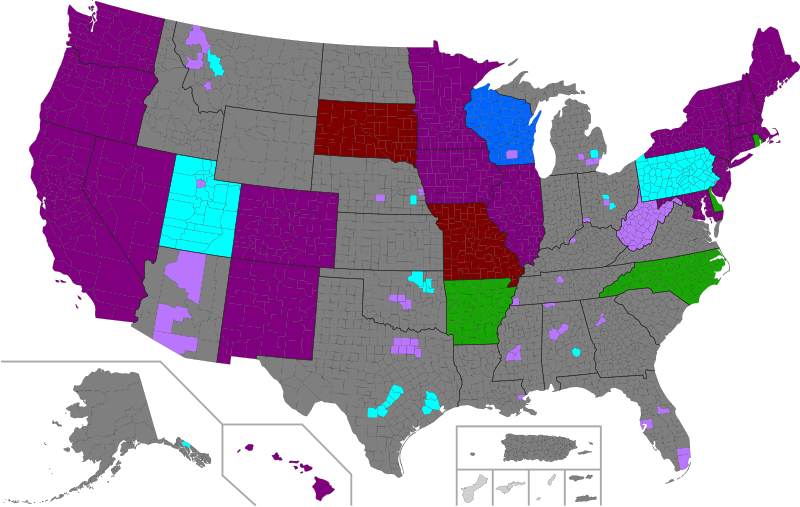
English: Statewide school bullying laws and policies in the United States, especially as they pertain to sexual orientation and gender identity
Law prohibits bullying of students based on sexual orientation and gender identity
Law prohibits bullying of students based on sexual orientation
School regulation or ethical code for teachers that address bullying of students based on sexual orientation
Law prohibits bullying in school but lists no categories of protection
No statewide law that specifically prohibits bullying in schools
graphs ... places where bullying occurs
feel afraid to go to school because of bullying by
self-esteem scores (year 8 only)
high school is the place where most bullying occurs
high school is the place where most bullying occurs
high school is the place where most bullying occurs
61% of mid-level Mexican students report experiencing intimidation, verbal abuse or assault, while 51% said the use of drugs or alcohol in the community where he studied. Most of the time the bullying is verbal, followed by physics, refers to the organization.The first year of high school is where most see the physical and psychological abuse, among other factors, because teens have body changes associated with age, says Eugenia Franco, a psychologist at the Universidad Nacional Autonoma de Mexico (UNAM) and child therapist .The predominant type of violence at this stage, he says, is the emotional and the 'word', but also on the increase 'cyberbullying'. It occurs more frequently in classrooms and in school yards.The specialist details that bullying occurs in young varied psychological consequences, including: display terrified to go to school, sad, nervous, lonely and troubled sleep. In the extreme case, may have thoughts of suicide.Often, the adolescent who is dedicated to harassing others actually seek care, hence try to impose their will, says the psychologist. Other times, people who are not very bright in their environment, leading to hate those who are best known to him or her, need, like children, feel a little power.Violence or intolerance in Mexican classrooms is not unknown. The National Survey 'Exclusion, Tolerance and Violence in Public Schools', conducted by the Ministry of Education of 13,000 students, confirmed that 54% of young people do not like to have as companion to a person with HIV to 52.8% would displease sharing room with non-heterosexual and 51.1% disapprove of working with students with disabilities.Of all respondents, 44.6% of men and 26. 2% of women admitted having abused their partners, while nearly 60% mentioned haberles sobrenombrs since fellow offensive. This study was conducted among students 15 to 19 years, concluding that in high school levels of intolerance of diversity were the highest.On the other hand, according to the OECD, the problem of harassment is found from the average. That drove him to the Federal District Government, together with the Legislature, to submit a bill to promote violence-free living among schoolchildren in Mexico City."No later than October this year will list this law, marking the start of hard work to be developed for children of Mexico City," said Maricela Contreras Julian, president of the Committee on Health and Social Welfare of the Federal District Legislative Assembly (ALDF), in a press release.The bill is based on studies made by the Ministry of Education capital, and to analyze experiences of countries like England, Chile and the United States on the issue of school bullying, and other materials.With the availability of these regulations, be possible to have a record of cases of victims of such violence. Furthermore, it envisages the creation of Mexican Observatory on School Coexistence, an advisory body, analysis, consultation and dissemination of the phenomenon of bullying, which also could serve victims of this phenomenon."The challenge is to have a law that ensures a school environment free of violence in the Federal District, with an emphasis on respect for the child, the gender perspective and comprehensive development," among other things, mentioned the local MP.

 SCHOOL: CECyT No.4 "LÁZARO CÁRDENAS"